The Animal History Group is an independent international research network for students, academics and other professionals whose work engages with animals in history. It was founded in 2016 by a group of then-PhD students at King’s College London who recognised that the diversity of topics and approaches in this field meant there was a real need for a venue in which to meet other animal historians, exchange ideas and hear about each others’ research. Having grown from its early days as a London-based seminar, the AHG is now a predominantly online network with active members in every continent. Its regular programme continues to include seminars and reading groups, as well as workshops, exhibition visits and an annual conference.
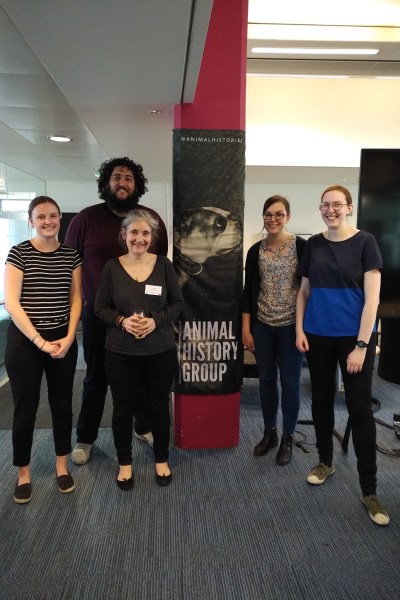
Conveners:
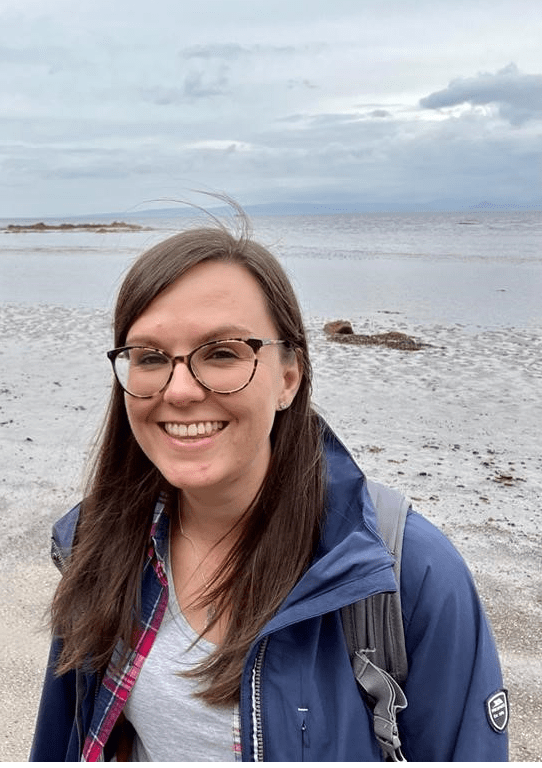
Dr Elle Larsson is a historian of science, specialising in the history of natural history and history of animals. Elle was awarded her PhD from King’s College London in April 2020, with a thesis entitled ‘Collecting, Curating and Construction of Zoological Knowledge: Walter Rothschild’s Zoological Enterprise, c.1878-1937’. Elle’s current research interests include natural history networks, zoo history and exotic animal ownership and recently published her second article entitled “Here They Are in Flesh and Feather”: Walter Rothschild’s “Private Zoo” and the Preparation and Taxonomic Study of Cassowaries with Centaurus. Elle also devotes her time to her role on the Council for Society for the History of Natural History as Meetings Secretary and is one of the co-founders of the Animal History Group.
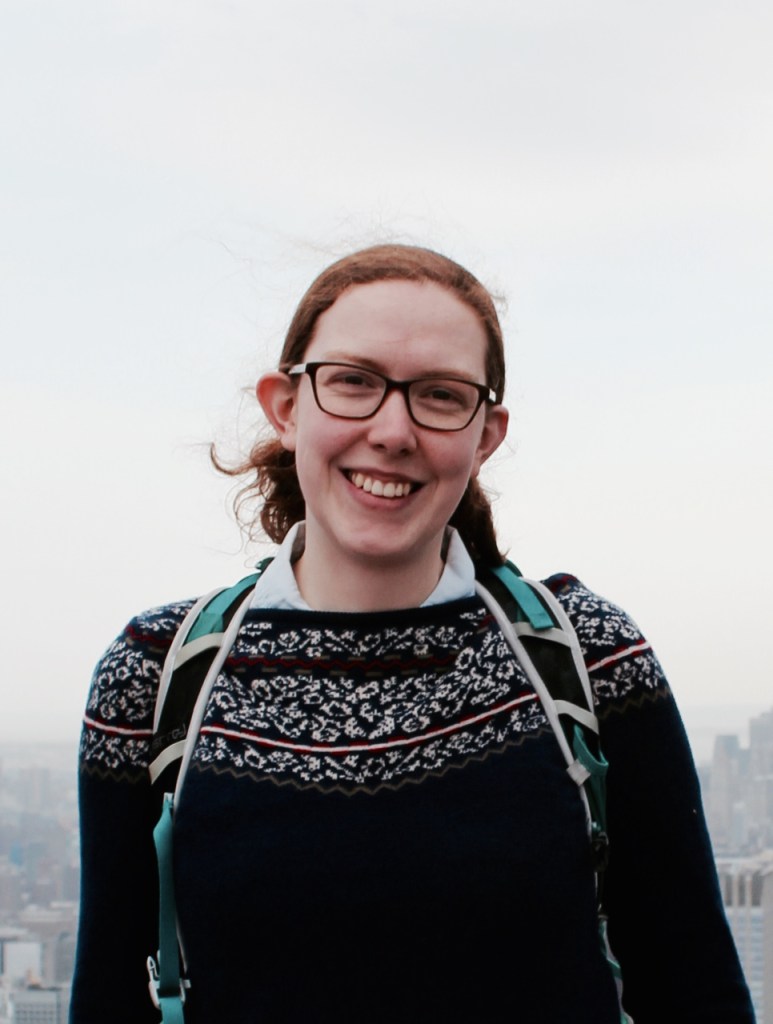
Dr Felicity McWilliams is the Curator of Science and Industry at Birmingham Museums Trust, and her research interests include Birmingham history, industrial history and the history of technology, the history of collections, rural history and animal history. She completed her PhD at King’s College London in 2020, with a thesis entitled ‘Equine Machines: Horses and Tractors on British Farms c.1920-1970’ as part of a CDA with the Museum of English Rural Life. She recently published a co-written article with Kylie Little and Ellie Swinbank entitled ‘South Kensington is practically as far away as Paris or Munich’: the making of industrial collections in Edinburgh, Newcastle and Birmingham with the Science Museum Group Journal. Felicity is also Reviews Editor for the journal Folk Life and is one of the co-founders of the Animal History Group.

Dr Lee Raye is an associate lecturer at the Open University and a Fellow of the Linnean Society. Their research looks at historical sources on wild animals and plants from medieval and early modern Britain and Ireland. Lee’s aim is to establish the former status of different species and to investigate the popular attitudes towards them held by their human neighbours. Lee has recently published The Atlas of Early Modern Wildlife (2023) and previously translated The Wild Plants of Scotland and the Animals of Scotland (2020), part of a book originally written by Robert Sibbald in the seventeenth century. Lee is especially interested in histories of extinction, and they have previously written articles about lynxes, cranes, red kites, beavers, tree frogs and right whales.
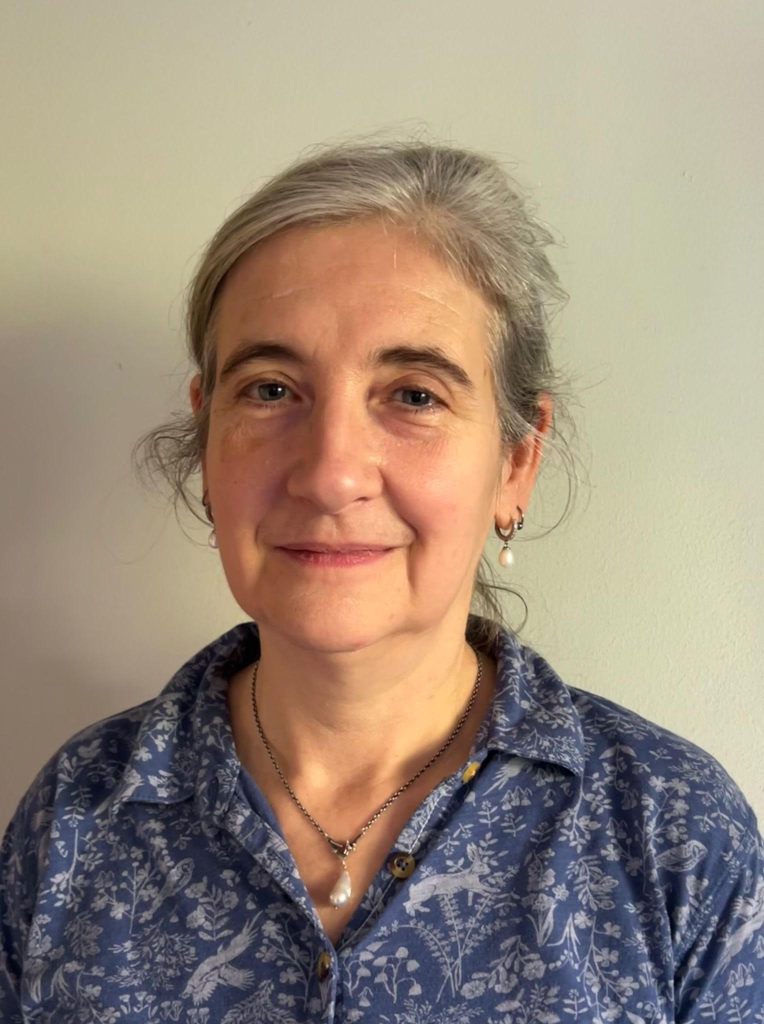
Dr Alison Skipper completed a PhD, funded by the Wellcome Trust, at King’s College London in 2022, with a thesis entitled ‘Form, function and fashion: health and disease in British pedigree dog breeding during the long twentieth century’. Alison is a veterinary surgeon; after many years in small animal practice, she is currently a postdoctoral researcher conducting an analysis of UK canine health research funding at the Royal Veterinary College. Alison is also a co-convenor of Veterinary Humanities UK, a network for veterinary professionals and academics interested in this field, and current President of the World Association for the History of Veterinary Medicine. Alison is also one of the co-founders of the Animal History Group.
Alumni:
Dr Alex Bowmer is a medical professional and postgraduate researcher of the history of medicine. Changing his field of focus by undertaking an AHRC-funded Collaborative Doctoral Award PhD at KCL and the Museum of English Rural Life, Alex studied the use of medicines in livestock health management. His project, ‘Dipping, Dosing, Drenching: Managing Unhealthy Beasts’ aimed to track the developments of the veterinary pharmaceutical industry, to understand how drugs were used and understood. Alex was one of the co-founders of the Animal History Group.
Dr Nicole Gosling was formerly based at University of Lincoln, where she worked in collaboration with an inter-disciplinary team of scholars on the Wellcome trust-funded FIELD project (Farm-level Interventions in Endemic Livestock Disease). Her role was to examine the history of lame sheep, focusing on how definitions of lameness and ways of responding to it have changed from the emergence of the stratified system of sheep farming in c. 1750 to the modern day. Nicole considered how attitudes and responses to the disease have both shaped and been shaped by veterinary science and practice, agricultural economics and politics, and the patterns and practices of keeping sheep.
Scott Hunter is a PhD student at King’s College London working in partnership with the National Horseracing Museum. His project, ‘Animal Celebrity and Mass Spectatorship in British Horseracing, c. 1918 – 2018’, examines the meaning of sporting celebrity for racehorses and the changing nature of public-racehorse relationships as new ways of viewing sport emerged throughout the 20th century.
 AHG
AHG 